STD testing is a crucial step in maintaining your health and well-being. Regular testing not only protects you but also helps prevent the spread of sexually transmitted infections (STIs) to others. For individuals seeking an STD test in Singapore, understanding the process and its importance is key to safeguarding both personal and public health.
Understanding STD Tests
What Are STD Tests?
STD tests are medical screenings designed to detect sexually transmitted infections. These include bacterial, viral, and parasitic infections that can affect various parts of the body. Testing ensures that infections are identified early, even when symptoms are absent.
Types of STD Tests
Different tests are used depending on the type of infection being screened for. These include blood tests, urine samples, swabs from affected areas, and physical examinations. Each test is tailored to detect specific STDs efficiently and accurately.
Common STDs and Their Tests
Some common STDs and their associated tests include:
- Chlamydia and Gonorrhea: Detected through urine tests or swabs.
- HIV and Syphilis: Identified via blood tests.
- Herpes: Diagnosed through swabs of sores or blood tests.
- HPV (Human Papillomavirus): Typically screened through Pap smears for cervical changes in women.
Why Regular STD Testing Is Important

Early Detection and Treatment
Regular testing allows for the early detection of infections, enabling timely treatment. Early intervention reduces the risk of complications, such as chronic pain, organ damage, or further transmission of the infection.
Preventing Transmission to Others
Testing helps identify infections that might otherwise go unnoticed. By being aware of your status, you can take steps to protect your sexual partners, reducing the spread of STDs.
Protecting Reproductive Health
Untreated STDs can lead to serious complications, including infertility and pregnancy-related issues. Testing ensures that infections are managed early, preserving reproductive health.
When You Should Get Tested
Routine Screening Recommendations
Sexually active individuals should include STD testing as part of their regular health checkups. Testing intervals may vary, but annual screenings are generally recommended for those with regular sexual activity.
Situations That Require Immediate Testing
You should get tested if you have a new sexual partner, engage in unprotected sex, or notice symptoms like unusual discharge, sores, or pain. Immediate testing is also important if you suspect exposure to an STD.
Testing Recommendations for Different Age Groups
Younger adults and teens, especially those under 25, are at higher risk for certain STDs and may require more frequent testing. Older adults should also consider testing, particularly when entering new relationships or if risk factors are present.
What to Expect During an STD Test
Types of Tests and Procedures
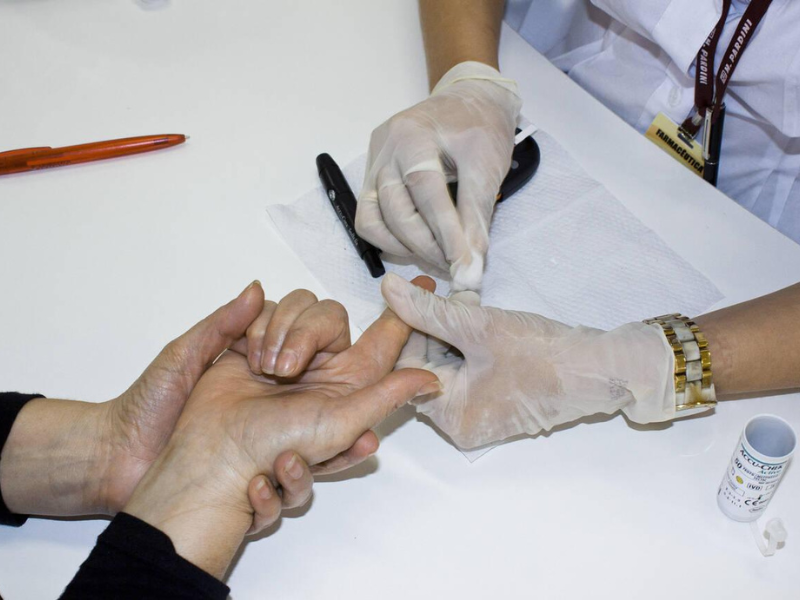
STD testing is straightforward and depends on the type of infection being checked. Procedures may include blood draws, urine samples, or swabs from affected areas. These tests are typically quick and minimally invasive.
Confidentiality and Privacy
In Singapore, STD testing is conducted with strict privacy protocols. Medical records are securely handled, ensuring confidentiality for all patients. Many clinics also offer anonymous testing options.
Getting Your Results and Next Steps
Results are usually available within a few days, depending on the type of test. If results are positive, healthcare providers will discuss treatment options and provide guidance on notifying sexual partners, if necessary.
Addressing Common Myths About STD Testing

Myth: Only People with Symptoms Need Testing
Many STDs are asymptomatic, meaning you may not show any signs even if infected. Regular testing is crucial for identifying and treating these silent infections.
Myth: STD Tests Are Painful
Most STD tests involve minimal discomfort, such as a quick blood draw or a urine sample. The procedures are designed to be as simple and painless as possible.
Myth: STD Testing Is Expensive and Unnecessary for Certain Groups
STD testing is accessible and affordable in many clinics, especially in Singapore. It is essential for all sexually active individuals, regardless of age or perceived risk, to ensure their health and the health of others.
FAQs on STD Tests and Their Importance
How often should I get an STD test?
At least once a year for sexually active individuals, or more frequently depending on lifestyle and risk factors.
Can I get tested anonymously?
Yes, many clinics in Singapore offer anonymous STD testing to ensure privacy.
Will my insurance cover STD testing?
Coverage varies by insurance provider, but many policies include STD testing as part of preventive health services.
Can I get tested if I don’t have symptoms?
Absolutely. Testing without symptoms is encouraged to detect infections early, especially since many STDs are asymptomatic.
What should I do if my test is positive?
Follow your doctor’s advice, complete the recommended treatment, and notify your sexual partners to prevent further transmission.
Conclusion: Taking Charge of Your Health – The Value of Regular STD Testing
Regular STD testing plays a vital role in maintaining sexual health and preventing the spread of infections. By addressing misconceptions and encouraging informed decisions, individuals can take proactive steps to protect themselves and their partners. For those considering an STD test in Singapore, the process is simple, confidential, and essential for long-term well-being.